


Rhizosphere (Rhizo) Critical

FULL Campaign name
Critical Minerals Biogeochemistry in the Rhizosphere – Ultramafic Soils (Rhizo Critical)
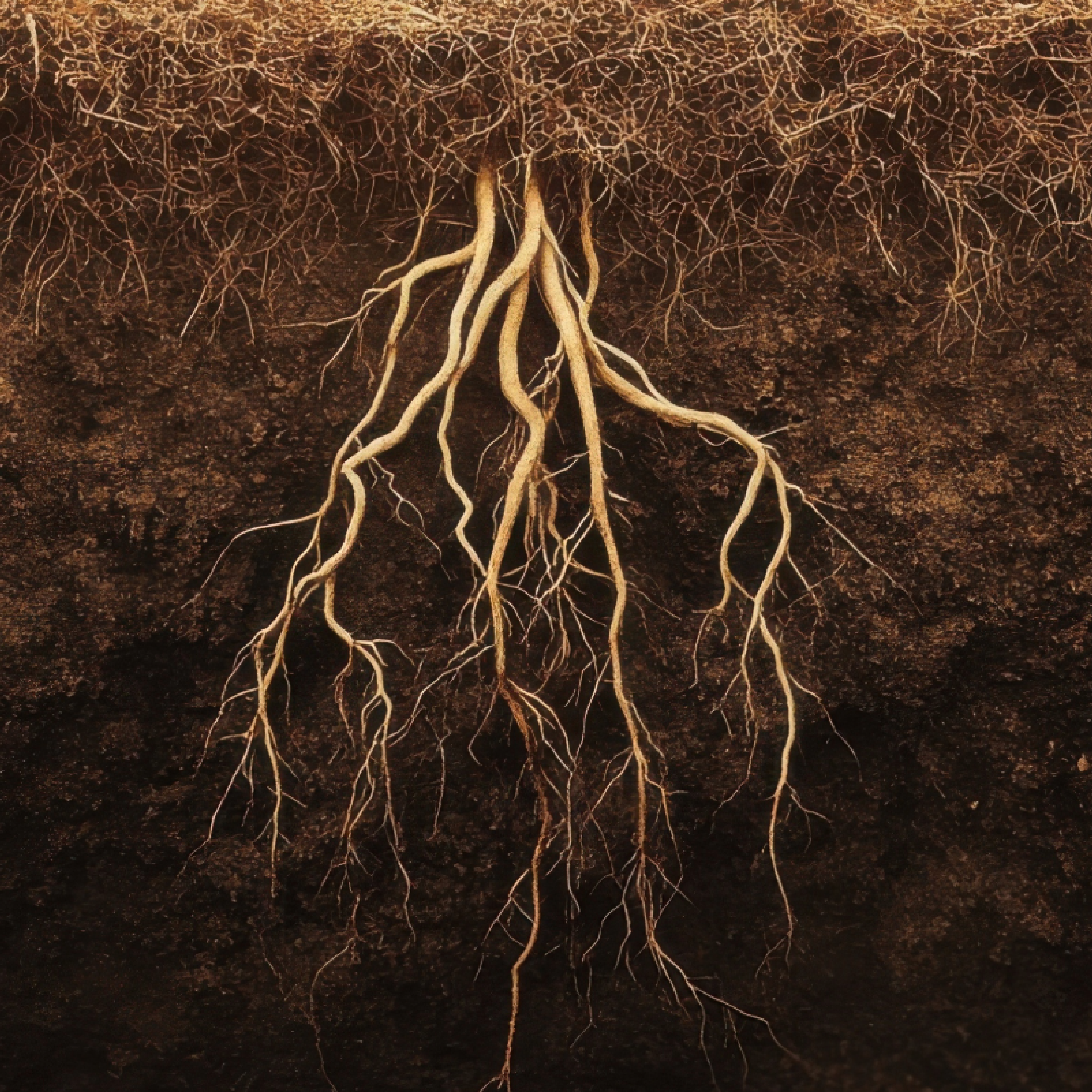
The recent presidential memo outlining national research and development priorities for FY 2027 highlighted the urgent and strategic need to identify, characterize, and process domestic sources of critical minerals and rare Earth elements needed to ensure American energy dominance and national security. The increasing demand for critical materials and minerals (CMM) in the United States has heightened interest in lean ores, low-grade ores, and soils. This includes ultramafic soils, which have high levels of valuable metals like nickel and cobalt used in advanced battery and magnet technologies. Metal hyperaccumulating plants can extract economically valuable concentrations of CMMs through the process of phytomining. This process is driven by rhizosphere microbial activity and root exudation, both of which are influenced by pore-scale transport dynamics and geochemical conditions. Understanding these microbial and soil processes is crucial for advancing and safeguarding phytomining technologies and broader CMM extraction methods.
The Environmental Molecular Sciences Laboratory (EMSL) is uniquely equipped to address these challenges. In a campaign titled, “Critical Minerals Biogeochemistry in the Rhizosphere – Ultramafic Soils" (Rhizo Critical), EMSL is focused on understanding how rhizosphere microbiota influence metal bioavailability and uptake by plant roots in ultramafic soils.
Scientists will identify and characterize the microbially driven molecular and transport mechanisms that help critical materials to dissolve and move at the microbe–mineral–root interface. Using EMSL's Molecular Observation Network (MONet) standardized soil core collection and analysis methods, the campaign will explore the processes in soils at scale.
The campaign will create standardized, reusable, AI-ready data in the MONet database, supporting the broader adoption of phytomining approaches and enabling the transfer of process insights across pore-scale models, sites, and regions through advanced AI-guided simulation and sampling approaches.
Ultimately, these efforts will advance the energy security goals of the Department of Energy (DOE) and the presidential FY 2027 research and development priorities focused on critical minerals supply chains, advanced biotechnology for biomanufacturing, and AI-accelerated discoveries by developing sustainable, microbially driven approaches to critical minerals recovery.
Instruments and Resources
The campaign will use tools from the MONet capability and its growing database of standardized soil data across the U.S. to integrate datasets and facilitate cross-system comparisons. When combined with EMSL's cutting-edge molecular characterization tools, these platforms enable in-depth exploration of molecular and pore-scale processes in controlled systems, driving accelerated discoveries and innovations in CMM biogeochemistry within ultramafic soil and rhizosphere systems.
How to Get Involved
Check out the recording below of our November 2025 community science meeting at which researchers worked to identify and prioritize critical minerals and materials (CMM) research needs aligned to EMSL's goals and the research priorities of the DOE Office of Science's Biological and Environmental Research (BER) program.
The meeting featured three keynote speakers:
- Heileen Hsu-Kim
- Professor, Department of Civil and Environmental Engineering, Duke University
- Presentation: “Resourcing Critical Minerals from Waste Streams: Lessons Learned from Extracting Rare Earths from Acid Mine Drainage”
- Rene Boiteau
- Assistant Professor, Department of Chemistry, University of Minnesota
- Presentation: “Mining Environmental Microbiomes for Selective Metallophores”
- Scott Angle
- Senior Vice President for Agriculture and Natural Resources, University of Florida
- Presentation: “Phytomining: Past, Present, Future, and Gaps”
Additional opportunities for user involvement will happen throughout the coming year. Stay tuned by joining the EMSL mailing lists and following EMSL on LinkedIn.
Contact
If you have questions or are interested in learning more about how you can participate, email Amir Ahkami.
Reports
Rhizo Critical Community Science Meeting Report - November 2025