


SOILS-AI

Campaign name
Soil Organic Indicators at Large Scale for Artificial Intelligence (SOILS-AI)
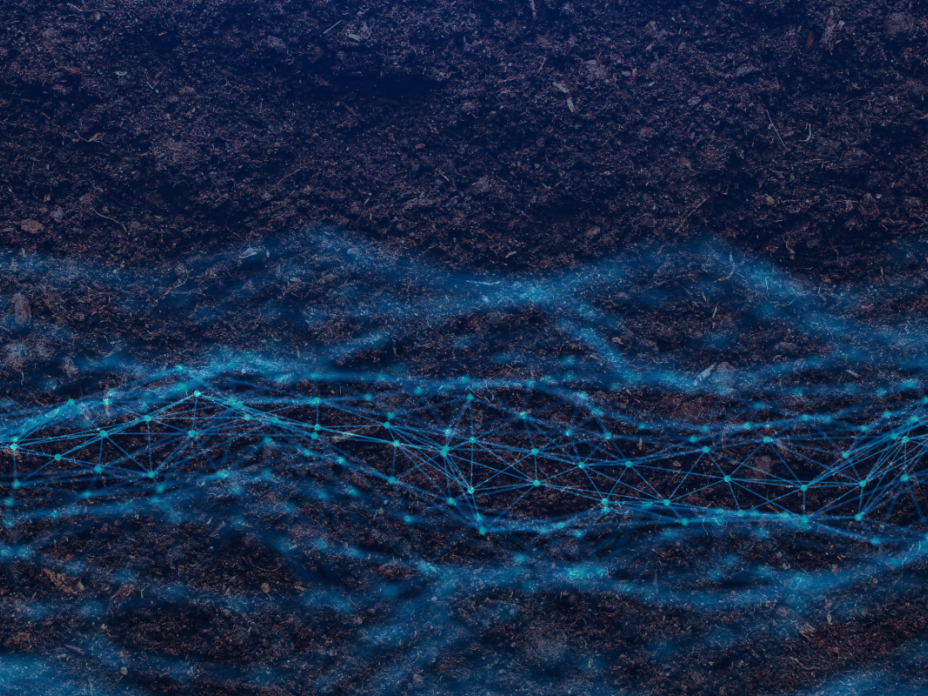
Soil microbiomes are the most diverse and functionally unexplored biological system on the planet, harboring immense untapped genetic, metabolic, and biochemical potential with the capacity to transform the bioeconomy. In parallel, soil organic matter (SOM) underpins soil microbial function by supplying the energy that fuels belowground redox reactions, metals solubilization and transformations (including valuable critical minerals), nutrient cycling, and myriad other biogeochemical processes. These processes collectively create rich molecular diversity within SOM and provide molecular signatures that can be used to discover novel mechanistic pathways. Soil molecular data are therefore highly suited for AI-based tools that can translate molecular signals to regional-scale understanding. To fully harness the potential for soil molecular data for biotechnological discovery and national-level decision-making, we need to learn how to transfer soil molecular data into biological understanding relevant to large-scale applications.
Inspired by the Genesis Mission, the SOILS-AI Campaign brings together molecular-scale soil chemical, microbial, and spatial information to better capture how SOM-driven processes shape ecosystem function across the conterminous United States. By leveraging AI/ML workflows, Molecular Observation Network (MONet) molecular measurements, and SSURGO soil datasets, the campaign develops scalable, AI-ready datasets and model outputs that improve representation of belowground processes in predictive models and further potential uses for the soil microbiome in the biotechnological revolution.
This effort directly supports the U.S. Department of Energy (DOE) national and energy security mission by strengthening the scientific basis needed to forecast soil behavior, ecosystem resilience, and land–atmosphere interactions under changing environmental conditions.
SOILS-AI Campaign Summary
The SOILS-AI Campaign focuses on converting SOM chemistry, microbiomes, and soil environmental data into tractable predictors that can be incorporated into regional and Earth system models. Using AI/ML feature selection tools, distributed sampling, and pedotransfer-style scaling methods, the campaign will identify molecular signatures and microbial functions that drive variability in soil biogeochemical processes. By improving representation of belowground processes in predictive models, the campaign strengthens the scientific foundations needed to support DOE's energy and national security missions, contributing to more robust projections of ecosystem carbon storage, soil-driven greenhouse gas fluxes, and environmental responses across the continental U.S.
Instruments and Resources
Soil cores will be collected using the standard MONet collection methods and will be analyzed using MONet workflows. Using EMSL computing resources, the campaign will develop new soil-based metrics.
Contact
If you have questions or are interested in learning more about how you can participate, email Emily Graham.